September 2018 Week #3: You’re a Badass. You Deserve That Standing Desk!

Thank you for your patience with me through “magazine hell week” last week as I know I missed some posts. The magazine is a lot of fun to put together and I’m enjoying it but it does get time consuming when my monthly deadlines are close. Each month, I write a “family feature” story which includes a photo session and interview with a family who lives in the area the magazine mails to. I’m able to suggest families for the monthly story and since I know the owner of our local running store, Doug and Jane Alred, live in the magazine’s community, I asked and they agreed to be my cover story for next month! I’m excited to interview them and watch the photo shoot next week. Pretty cool that I can put running and writing together in so many different ways. 🙂


Enough about me…let’s talk running!

Screen Shot 2018-09-16 at 3.28.14 PM

Last week we talked a little about the shoes we wear outside of running. I posted this because I wanted to get you thinking about the things you do outside of running that can  be detrimental to your goals. There are certain aspects of living in today’s modern world that can cause of issues. Unfortunatley, even if we’re fit and healthy, modern life isn’t helping our running. Sitting is a big problem. With so many modern conveinences, we aren’t required to get up and move around anymore. Sitting causes muscle imbalances that, in conjunction with a lack of strength, can lead us directly to an injury.

The sad truth is that the majority of us spend most of the day sitting down. Long periods of sitting are inherently bad for all of us but for runners sitting wreaks havoc on our flexibility and general posture. A lot of sitting can cause a real problem when it comes to our every day running performance. In the Strength Running program, Injury Prevention for Runners, Jason Fitzgerald tells us:

Sitting results in many types of postural and muscular changes that deteriorate your running efficiency and can predispose us to running injuries. If you run after work, after sitting all day, then you are especially at risk.

Just think: prolonged sitting…

    • reduces the flexibility of the hip flexors and hamstrings
    • creates a forward tilt of the pelvis
    • reduces blood flow to the legs, hampering the recovery process
    • weakens the glutes and hip muscles, reducing the stability of the pelvis while running

These immediate results from a day of sitting makes us ill-equipped to handle an afternoon or evening run.

Jason promises to give us strength and mobility exercises that are “aimed at counteracting the imbalances, weaknesses, and inflexibilities that are caused by our sedentary lifestyles” but before we getting into those, he wants to encourage us to vary how we spend our day. We can’t stop sitting down altoegther, but we can alternate between sitting, standing, walking, and even kneeling.

There are things we can do throughout the day to help our body retain more flexibility and reduce the damaging effects of sitting down for long periods of time.

Consider fighting for one of the following options in your workplace:

    • A standing desk
    • A normal office chair
    • An exercise ball
    • An ergonomic kneeling chair

It’s also helpful to take frequent walk breaks and use your lunch hour actively instead of for more sitting. You can go for a longer walk, a short run, or a yoga class or get your strength work done if you have a gym membership nearby.

If you work an office job, it’s also helpful to do things the hard way. Use the printer on the other side of the office, get up and walk over to a colleague instead of calling, stand up while you’re on the phone, go for a walk with a colleague instead of sitting down for a meeting, and avoid using a chair whenever you don’t have to.

Jason says,

While you’re sitting, use the cue to bring your belly button to your spine (we’ll talk more about this cue later in the Running Form lesson) to activate your deep abdominal muscles and improve your posture. Do this several times per hour while sitting and even while standing to promote a neutral, efficient posture.

Later in the Injury Prevention for Runners program we’ll see some more strength and flexibility routines that Strength Running has developed to counteract the effects of sitting and muscular imbalances. But before we work on strength, we have some action steps to take this week.

Each section of the Injury Prevention for Runners program includes Action Steps that help us implement the material into our training. We want to make sure we are actively incorporating these lessons into our running rather than just consuming the information and putting it aside.

Part 1 Action Steps:

This section tackles a big picture topic – lifestyle factors that affect injuries – as it comes before running-specific changes to your training.

Step 1: For one day, be aware of how much time you spend sitting down. You don’t have to keep a running stopwatch of how much time you spend on your butt (although I did – and it was eye-opening) but it’s helpful as most of us under-estimate.

Step 2: The next day try to reduce this time by 1-3 hours. If you work a sedentary job and spend your evenings watching TV or on the computer, aim to sit for no more than 5-6 hours total (the national average is over 9 hours per day!).

Step 3: Evaluate your casual shoes for rigid, high-heeled, constrictive models that could be contributing to foot and lower leg weaknesses. I won’t ask you to buy a new closet of shoes, but:

1. Wear high-heeled or constrictive shoes for one less workday per week
2. Never wear shoes in your home
3. Opt for more flexible, lower-profile shoes when you’re at more casual events 4. The next time you need new shoes, buy a lower-profile, more flexible option

Many runners look for a “magic pill” that will help them run healthy in the long-term. I’m fond of saying that there are no magic workouts, secret training strategies, or hidden coaching tactics.

Instead, we’re improving your foundation so you can live a lifestyle conducive to running injury-free.

These are simple steps we can take that will make us feel better all around but especially when we run. Will you take these steps to or are you still waiting for that “magic pill?”


In addition to our Part 1 Action Steps, this week are are adding a new strength routine from Strength Running! Let’s look at how our week will play out.

  • Injury Prevention for Runners – Part 1 Action Steps
  • IT Band Rehab/Strength Routine (20 minutes) – 3X
  • Nike Runners World Arm Strength Routine (6 minutes) – 3X
  • Tomahawk Workout (16 minutes) – 3X
  • Daily Plank & Wall Sit – one minute each day
  • Speed Work – See workout below.  Plan ahead to make sure you fit it in

You can do these workouts when your schedule allows. You can do all three strength workouts at once which would be three 42 minute workouts. Or you can split them up and do them at different times or different days. You can do your speed work when it makes the most sense for your running schedule. Remember to give yourself a couple days before and after your long run so you are fully recovered and ready to work hard. Make it work Crew!


Speed Work: The Tempo Run

We’ve talked about tempo runs a lot but they can still be confusing. If you still don’t understand them, or maybe think you know what they consist of but aren’t sure, you really should listen to Strength Running Episode #71: A Step by Step Guide to Tempo Runs.

You can listen on iTunes here or if you are an Android user you can listen on Stitcher.

Once you listen (it’s only around 15 minutes) then you will be better prepared to run your tempo workout. If you have questions, please ask me, but if you listen to the podcast first and you will probably be ready to go.

The Workout: Tempo Run

  • 5K Workout: 1-2 mile warm up + 15 min tempo + 1-2 mile cool down
  • 10K Workout: 1-2 mile warm up + 20 min tempo + 1-2 mile cool down
  • Half Marathon Workout: 2 mile warm up + 30 min tempo + 1-2 mile cool down
  • Marathon Workout: 2 mile warm up + 40 min tempo + 2 mile cool down

As you can see, the workout gets longer depending on the distance you are training for. If this is your first tempo run, don’t go all out and try to run a 40 min workout. Start with 20 minutes and work your way up. Reach out to me with questions. You may see others training for a similar distance as you and doing longer or more intense workouts, but they may also be a more experienced runner. Please don’t compete yourself or try to do more than you are ready for. Make smart decisions about your training!

If you have a speed workout given to you by your coach (or by me if I coach you individually) that is different from our workout, that’s fine. Do what your coach tells you. 🙂 But this is a great workout for anyone so if you don’t already have a prescribed workout, then get to tempoing!


Week #3 Workouts: Hope you like the new videos that our Florida Crew helped me with this week!

IT Band Rehab/Strength Routine:

Nike Runners World Arm Strength:

Tomahawk Routine:

September 2018 – Week 2: Capable, Unbreakable…Indestructible!

Screen Shot 2018-09-09 at 2.48.43 PM

Are you as indestructible as an everlasting gobstopper? If you “can’t” do a basic body weight exercise, avoid trails like the plague, or skip a run because it’s raining and you don’t want to slip and break something, you are not as indestructible as an everlasting gobstopper.

We are capable of being unbreakable but we have to work for it. Feeling strong enough to battle the elements is part of gaining fitness, improving our running prowess and getting that PR that’s been eluding us. Are you willing to work hard to become indestructible? I know you are or you wouldn’t be here… so let’s get to work!


According to Jason Fitzgerald of Strength Running,

There are a few things about running injuries that you have to know.

Fact #1: Prevention is about a lot more than strength exercises.

Some runners think if they just do strength exercises they’re being “smart” about injury prevention. But no amount of strength can overcome poor training. Your running program needs to be structured the right way – or else your strength gains will just be wasted.

Fact #2: RICE (Rest, Ice, Compression, Elevation) is just the beginning.

Ask any runner what they do to recover faster between workouts – or when the early signs of an injury appear – and they’ll inevitably defer to RICE.

It’s a great first step. But it’s just a first step. Are you following a post-run recovery routine? Are you doing all the maintenance work that you should be doing? Or maybe you’re relying too much on one aspect of recovery (like icing).

Fact #3: Smart runners build prevention into their training.

A runner once told me that he doesn’t want injury prevention to interfere with his training. After an audible gasp, I shook my head sadly. Unfortunately, this runner is doomed to continue on the hamster wheel of injuries.

The runners you know that never get injured are incredibly smart about prevention. It’s automatically built into their training plan with strategic mileage increases, workout progressions, and runner-specific exercises. Their health is not an accident.

Fact #4: Consistent health isn’t about luck or genetics – it’s about hard work.

You are not destined to be injured all the time. Nor are consistently healthy runners lucky – they didn’t hit the genetic lottery. Instead, healthy runners work hard to stay healthy.

It’s not enough to run a lot of miles and blast those tough speed workouts. We have to make sure our training program is right for us, for where we are in our fitness and for the goals we are trying to achieve.

But is all we do is run, the risk of injury is higher and our performance will suffer. Think about it…have your heard of an elite runner who “just runs”? Nope, they all strength train.

We know that running builds our endurance, but what are the other key factors that help us improve our athleticism?

  • Strength: the ability to produce force
  • Flexibility: the ability to attain large ranges of motion at the joints
  • Speed: the ability to move the body and its parts rapidly
  • Coordination: the ability to accurately and efficiently move the body and its parts in order to accomplish some task

These skills make us capable of doing more: mileage, speed work, and (of course) faster racing.

Since running is admittedly a two-dimensional activity (we run straight ahead), if that’s all we do then our other physical skills will atrophy. Our strength, flexibility, and agility will plummet.

So while our endurance might be great, if we can’t utilize that fitness because we’re injured, unbalanced or uncoordinated, then we’ll never run fast. If we, as runners, focus more on how to improve athleticism, many of these problems wouldn’t appear at all.

Jason has heard it all:

“I can’t run trails! I’ll turn an ankle!” If we’re chasing a big goal like a Personal Best, ultramarathon finish, or maybe a Boston qualifying marathon, then we must be more anti-fragile! Trails are not dangerous if you’re capable.

“I can’t hold this bodyweight exercise…” Some bodyweight exercises are difficult. But so is running fast! When easy or intermediate exercises can’t be done by runners who want to stay healthy or run a PR, there’s a clear discrepancy. Increasing our movement fluency improves our capability. There are no fast, weak runners.

“My squat form is terrible.” Running is a series of one-legged squats performed in a ballistic, plyometric manner. How can anybody run well without being able to squat adequately? Poor form on traditional, basic, and fundamental exercises is a red flag that there’s a lack of movement fluency – and therefore, athleticism.

“I don’t run two days in a row because I want to stay healthy”

Running more is generally the most effective way to improve your racing performances and get faster. If runners take off 3-4 days per week for injury concerns, this is a major red flag. Why? Well…

  • Not much running can be done in merely 3-4 days per week
  • If a runner is truly so susceptible to injuries that they can’t run two days in a row, the problem is strength, not the running!
  • This is a self-limiting belief and I refuse to let you settle for average

Jason stresses that we must model our training after how the best runners train. This means developing new habits.

Below are some key factors promoted by Strength Running:

  • A dynamic warm-up before every run
  • A cool-down before or after each run consisting of runner-specific mobility or strength work
  • Varied running surfaces like trails, grass, the track, and roads
  • Consistent strength training
  • Running drills to refine form and reinforce good habits
  • Hard workouts (fartleks, tempo runs, etc.) that increase our range of speed capability

Once we start training like competitive runners, even at scaled down levels for us, we’ll see dramatic improvements.

The Goal: Anti-Fragility

Anti-fragility is a property that’s defined as:

A property of systems that increase in capability, resilience, or robustness as a result of stressors, shocks, volatility, noise, mistakes, faults, attacks, or failures.

Anti-fragility creates more robust runners. The idea is to thrive off of uncertainty. To be able to go our for a run anytime, anywhere, without being worried about getting twisting an ankle, pulling a muscle or throwing out our back.

Where to start:

  1. Begin each run with a dynamic warm-up routine. (You should be doing this already!)
  2. Next, add a bodyweight strength or core routine at least 3 times each week. (We’ve been doing body strength workouts for a while so you should be used to this one. Now we are doing longer strength workouts 3 times each week instead of 4-5 shorter workouts.)
  3. Once you are stronger, start running on more varied, uneven surfaces. (Do you ever take your running off road?)
  4. Add running drills 2 times per week. (We are adding running drills this week!)
  5. When this is comfortable, it’s time to add additional strength training. (We’re already working on this week…this week we’re adding arms!)
  6. Add harder, faster workouts when you’re ready. (Don’t jump into harder, faster workouts before you are ready. Remember…being capable and strong means you are not fragile but you are ready to move forward with more work. Baby steps…)

Running Drills

It feels silly to do drills like skips, hops, and other form drills. Prancing around feels weird but once you realize how beneficial running drills can be you might change your mind.

Running drills can:

  • Improve the communication between your brain and legs – helping you become more efficient
  • Strengthen not only the muscles, but the specific joints (like the ankle) needed for powerful, fast running
  • Improve coordination, agility, balance, and proprioception – helping you become a better athlete
  • Serve as a great warm-up before challenging workouts or races

The best time to do drills is after a dynamic warm up and an easy running warm up. If it’s race day, drills should be done BEFORE your strides. If done before a regular run, same deal, drills should be done after a dynamic warm up and an easy warm up run. Stop and do your drills, then go into the meat of your workout.

We are going to do these drills AT LEAST twice this week (and each week going forward)

Below is a video of all the drills performed by Jason Fitzgerald. The video includes cues, instructions, and slow-motion footage to help you understand them in more detail.

The 7 drills we will perform this week are: (perform each of these drills once out and back for 30-50 meters or less than half the straight away on a track)

  1. High Knees
  2. A Skip – High Knee Skipping
  3. B Skip – High Knee Skipping with Leg Extension
  4. Butt Kicks variation 1 – Lift foot straight up under your butt (this is different from most of us think of as traditional butt kicks
  5. Butt Kicks variation 2 – traditional butt kick
  6. Straight Leg Bounds
  7. Grapevines

September 2018 Week #2: Adding Running Drills & Arm Strength

In addition to adding running drills back into our training arsenal this week, we will continue with our IT Band Routine and we are adding a quick arm workout that we will do right after the ITB routine. These 2 workouts will take about 25 minutes total and should be done 3 times this week. This is not a Strength Running routine from Jason Fitzgerald, but we need to add in some arms and this is a great one that is easily built into your day. We will add a new Strength Running routine next week.

First, follow along with Jennifer, Meghan and I below to complete the IT Band Routine then go right into this week’s arm strength workout. You should recognize this new one!

IT Band Strength & Rehab Routine

Nike Runner’s World Arm Strength


Speed Work: Train Negative 

This week’s speed workout is the same for everyone, but depending on what you are training for, your distance will vary. First let’s talk a little more about what a negative split is and why it’s effective.

You don’t have to be an elite athlete to run faster in the second half of a race. In fact, anyone can and should run negative splits. Unfortunately, most runners don’t. Instead, they start in a near sprint, hang on through the middle and resort to a survivor’s shuffle at the end. But those who opt for negative splits patiently run a bit slower for the first third of a run, pick up the pace in the middle and finish with strength and speed.

The reason this works is because it can take your body several miles to get warmed up. After that, our muscles are charged, our joints lubricated, and mood-boosting endorphins flood our system. We’ll find ourselves running faster without feeling the additional effort. While 5-K racers DO benefit from this negative-split technique, marathoners will find it even more beneficial. Since a 5K race is relatively short, your warm up miles should be done before the race. But you still don’t want to go all out when the gun goes off. So how do we learn to slow down and the beginning of our run or race, then speed up to finish stronger and faster?

Trust the method. Many people are so used to charging out and then gradually slowing down that they don’t trust their bodies will ever speed up during a run. Trust me. It works. If you conserve your resources during the early part of a run, they’ll be available to you at the end.

Train negative. To build confidence, practice negative splits during training runs. Instead of starting your run, fartlek workout or interval sessions at the pace you want to average, run the first portion of the workout 10 to 15 seconds per mile slower. By the end of the session, you’ll be running faster than planned and will probably be feeling better than you’ve ever felt during a speed session.

Start slow. Depending on the length of your race, begin 20 to 40 seconds per mile slower than the race pace you’ve predicted. Don’t be tempted to speed up when you notice all those other runners flying by. Instead, hold back by imagining yourself comfortably passing them later in the race.

Gradually build speed. As you near the middle of the race, 4-5 miles into a half marathon, or 10-12 miles into a marathon, you want to hit your race pace. Then, toward the end, use those fresh legs to pass as many tired runners as you can.

A lot of us use this method already during our everyday runs, but this week I want you to  really focus on it and FEEL the pace early on, during the middle of your run and in the final miles. DON’T forget your warm up and cool down. The negative split portion should be smack in the middle! It should be obvious when you start the workout portion of your run. Keep your warm up nice and easy, then go into a pace that is a little faster than warm up but NOT at your race pace, slowly speed up to your race pace, finish the workout strong with a pace BELOW your race pace, then do a nice easy cool down.

Train Negative: Negative Split Speed Workout 

  1. Warm up – 1-2 miles at conversation pace
  2. Running Drills & Strides
  3. Negative Split Workout (see distance options below)
  4. Cool down – 1-2 miles

Training for a:

5K – 10K:

  • Do a warm up long enough to make you feel ready to run faster. That means your body is warm and your breathing is stable. This will depend on you. Some people are able to warm up faster than others. For me, I don’t start feeling good till at least 2 miles in.
  • Workout – 1-4 miles of negative split miles. If you are new to speed work and just dipping a toe into going faster, even doing a mile can get you ready for more. If you are only doing 1 mile of speed work break the mile into smaller segments like .25 miles and go faster for each quarter mile. Your last quarter mile being your fastest. If you have done speed work before, you should be doing at least 3 or 4 speedy miles. Again each mile should be faster then the previous mile.
  • Cool down – .5 – 1 mile cool down

15K – Marathon: Same warm up and cool down. Your speed will suffer if you cheat yourself out of a good warm up! 4-8 miles of negative splits

If you are training for a:

  • 15K = 4-5 miles
  • Half Marathon = 5-7 miles
  • marathon = 7-8 miles!

One caveat, if you are training for your first marathon and are just getting into your training, go for the lower miles. You don’t want to burn out or jeopardize your long run (the most important workout of the week) early in training.

I know it seems like a lot of miles, but when you run your goal race there’s no shortening the distance so you might as well be ready for it!


September 2018 Week #2 recap: 

  1. Daily Plank & Wall Sit (Minimum :60 each)
  2. IT Band Routine – 3x
  3. Nike/Runner’s World Arm Strength – 3x
  4. Running Drills 2x
  5. Speed Work

Are you indestructible? I know you are capable…I know you are getting stronger…but if you’re not indestructible…it’s time to get to work!

Screen Shot 2018-09-09 at 2.46.35 PM

September – Week #1: Making Injury Prevention Second Nature

Screen Shot 2018-09-02 at 6.43.07 PM

Did you know that 70-80% of runners get injured every year? That’s higher than pro football!

Being trapped in this injury cycle is demoralizing. It makes us want to quit and wonder why we put in all this work…only to watch it go down the drain as we sit on the sidelines with an injury.

Just imagine how much more you’d love running (not to mention, how much faster you’d run) if you could simply prevent injuries?

September Week #1 – Why do we need Prehab and what does it include?

Injury is tough but there is an upside to getting hurt if we choose to see and do something about the underlying issues.

Facing an injury is a little like tough love. It can serve as an eye opener for us and is usually a great opportunity to test our willpower and improve the things which most runners neglect. Think about when you realized you needed to do more than just run…it’s when you were injured and could no longer run.

When a runner gets injured what is the first thing they turn too? Cross training…right? Runners don’t usually fall in love with cross training, we do it because we love to run and it is the quickest way to stay in running fitness. Unfortunately, if we overload ourself with aerobic cross training but neglect  to devote time to the strength and structure of our body, it can also make us more susceptible to future injury.

We can’t run…so our first thought is to spend lots of time on the bike, in the pool or doing some other type of cardio workout. While that will keep the weight off and help us maintain our cardiovascular fitness, we lose the range of motion specific to running and the power needed to run fast. We fail to get stronger so we’re able to avoid re-injuring ourselves once we are able to run again.  We get back to running quickly, but a couple weeks down the road get we have another injury or the old pain is coming back again.

What does Prehab include?

  1. Strength Training
  2. Dynamic and Static Stretching
  3. Foam Rolling
  4. Recovery Runs

Strength Training: It’s easy to spend so much time cross training that we’re too physically and mentally tired to spend time building strength. To get in our strength work we MUST have a plan, just like our running plan. We don’t want to get up and start working out, deciding right then what we feel like doing that day.

This week our plan is to follow along with the video below three different times during the week. You can do this any day of the week but be smart about when you do it. Avoid strength the day before a tough speed workout or a long run. PLAN AHEAD and make smart decisions. Think back to past challenges…when did we do our leg work? Why did we do it on those days? There has always been a purpose behind what we do, why we do it and when we do it…consider that when you are planning your workouts this week.


Dynamic and Static Stretching: In addition to strength training, it’s important that we continue our dynamic and static stretches each day, even when it’s an off day from running. This will help us improve our strength, flexibility and stability. Dynamic stretches include leg swings, hip hurdles, and even lunges and squats. We can fit these moves into our every day life by getting up and doing a few squats and lunges as we walk to the bathroom or kitchen, or by balancing on one leg while brushing our teeth. We can multitask my watching TV and stretching at the same time. These little additions will help us gain core strength and stability.

Dynamic Stretching: Leg Swings, Hip Hurdles, lunges and squats

Static Stretching:

  1. 7 Key Stretches for Runners
  2. Yoga for Runners – Unknot Yourself
  3. Yoga for Runners – Tight Hips and Legs
  4. Yoga Poses for Runners

Foam rolling: A large proportion of running injuries stem from muscle tightness leading to our biomechanics being restricted and causing alterations in our running gait. The most effective home treatment is foam rolling. Devices like the stick are good, but a foam roller is more effective because we can utilize our body weight to apply pressure to the muscles. We can do this every single day.

Imbalances, even just a fraction of an inch in how each foot lands, can lead to injuries and often the area that hurts isn’t the real problem. Loosening up the muscles, tissues and fascia around the areas in pain allow us to move more freely which prevents some easily avoidable injuries.

Roll every angle of every muscle in your legs, glutes and hips. Basically all the areas that feel tight or sore from running, plus areas that may feel fine but are starting to feel tight.

Below is a foam rolling demonstration that takes less than 5 minutes. I would prefer you spend more than 5 minutes with your roller but you have to start somewhere! As you start to get used to using your roller more often, you will see that it hurts less and less. You might even start to like it!


Recovery runs: Every run should have a purpose! Generally that’s either a long run, speed work, hill work, or a recovery run. Recovery runs should be done at a very slow pace, while still focusing on maintaining good form.

As the name suggests, recovery runs help our legs recover from harder efforts, flushing the lactate out of our muscles and increasing blood flow to the muscles that have been broken down on harder or longer runs. This helps to get the required nutrients to the muscles to rebuild and adapt optimally. Recovery runs are really important. But it’s also very easy to overdo our recovery runs. Recovery should be slower, shorter and easier than ALL our other workouts. Watching our heart rate or literally walking or run/walking 1-2 miles can be just the thing we need to feel good and be ready to run harder again the following day.

Screen Shot 2018-09-02 at 8.55.34 PM

One thing is for sure, recovery is king and if we take care of our body, getting out the door for our next run isn’t as difficult.


Prehab (strength, dynamic and static stretching, foam rolling and recovery runs) is the key to allowing us to continue to train and race.

A healthy regimen of foam rolling, self-massage, and mobility and flexibility stretches keeps everything feeling good as we head out the door for a run. Try adding some rolling and mobility exercises in the evening before going to bed. Instead of using the first couple miles of a run just to work the kinks out, we can do it at home by rolling before our run. This also makes our runs so much more enjoyable.

September – Week #1 Recap:

For the first week of September, we are learning our first strength routine which focuses on our hips, glutes and quads. This is a 20 minute workout from Jason Fitzgerald’s training arsenal that we will do three times every week. You can fit this in any day during the week, preferably before or after a run but get it done even if it’s on an off running day. Throw in a daily plank and wall sit, dynamic and static stretches and DAILY foam rolling and you are one step closer to a strong running form!

Week #1 Plan:

  • Daily Plank & Wall Sit – don’t cheat yourself by cutting these basic strength exercises short!
  • Daily Dynamic and Static Stretching
  • Complete 3 times this week – ITB Strength & Rehab Routine (follow along with the video)
  •  Daily Foam Rolling

That’s it Crew. Three 20 minute strength routines focused specifically on our hips, glutes and quads, daily planks and wall sits, daily dynamic and static stretching & daily foam rolling.

Believe it or not, speed and hill workouts are forms of strength routines. We’ll talk about this more later but plan ahead to fit in this week’s speed work and throw in some hills when you can.


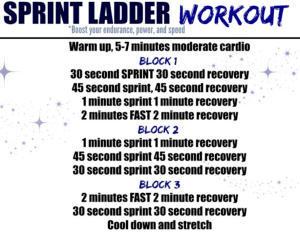
Speed Work: This week’s speed workout is a fun fartlek sprint ladder. Farletks or “speed play” is normal unstructured but this workout gives you a plan to follow while keeping it short enough to keep you from getting nervous and skipping the workout. Give it a shot and see how going a little faster during one of your weekly runs makes you feel awesome and boosts your confidence!

Screen Shot 2018-09-02 at 8.30.13 PM

“If you think you have no time for prevention work, you’ll sooner or later have to find time for injuries.” – Jason Fitzgerald


August – Day 28: Get Up and Go To Work!

Screen Shot 2018-08-27 at 6.19.38 PM

As an athlete, a runner, a mom, a business owner and a coach, I try to stay humble and strive to get better at all of my “jobs”. I have tons of room for improvement and am constantly reading and learning, open to suggestions and feedback. I teach you…and you teach me. A wonderful mutually beneficial relationship.

Do you feel the same way? Are you humble and open to being coached? If you are faster or more experienced than someone else, does that mean you can’t learn from them? Or do you understand that no matter your fitness or experience level, you can still learn and grow from others experiences knowledge?

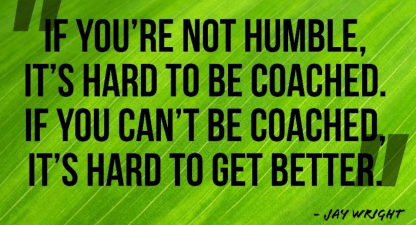
I hope you stay humble and open to being coached. If you’re not humble, it’s hard to be coached. If you can’t be coached, it’s hard to get better…

Stay humble and coachable Crew!


Screen Shot 2018-08-27 at 9.00.09 PM

You had big plans for Monday. You were going to finish that project you’ve been working on, you were going to eat well, get in a great workout, and make some positive moves towards your goals.

Then life happened. You overslept or forgot something important and your day got all screwed up. You didn’t make the progress you’d hoped for and when you looked up at the clock in the afternoon, you were shocked at how much time had gone by and how little you’d accomplished.

All is not lost! Remember Tuesday is the most productive day of the week and it’s your second chance at a great start!

Here are 7 things we can do to get our groove back, salvage a productive week and make this a TERRIFIC TUESDAY!

1. Get up early – In a perfect world, we’d be remembering all the “mornings are great” posts over the last few days and would already be on the right track with an early Monday wake up, but like me, you might’ve still been recuperating from a long weekend of activity and needed the extra sleep. Here is our chance to redeem ourself! Set the tone by getting up and enjoying a small slice of time for yourself before diving into the day’s events. Be the first person up in your house; get your workout done and be ready to start your day.

2. Get some exercise – In the long term, our fitness goals depend on getting in our full workout, but when we’re short on time, we take what we can get. Even a brief workout, like our August Quick Core Workout, is proved to increase our endorphins, make us happier and help us be more productive throughout our day.

3. Eat breakfast – Bottom line, Mom was right, breakfast is the most important meal of the day. Public health experts say that skipping breakfast reduces our ability to concentrate later in the day.

4. Pick up one thing from Monday – The first three items on this list are a must, but when you do get to work, dive in! The smartest thing is to break off a small piece of what you meant to get done on Monday and finish it. Achieving a small, quick victory will create momentum and get you moving towards a great Tuesday!

5. Offer mentorship – I love this one. You may know that I really enjoy helping others. It makes me happy to see you all succeed and when I know some else is benefiting, it always makes my day better. So far, this Tuesday has been all about us. And yes sometimes is has to be…but the best way to accomplish something for ourselves can often result from doing things for others. In our work or personal environment, offering smart advice or mentorship to others is one of the best opportunities we have. I know life is busy, but try to carve out a small amount of time for someone else. It will come back to you ten-fold.

6. Ask for help – Asking for help is a sign of respect, not weakness. We never accomplish anything really great on our own so don’t be scared to reach out to others for help. Chances are help is not far away and can make our day so much easier. When someone helps you, make sure they know you are there when they need you too.

7. Say no to something – It can be hard to say no but we can’t do it all. We need to be able to cut things from our “to do list” that are hurting our productivity and we must be able to say no to new projects and goals when we’re still trying to complete yesterday’s tasks. Be careful how you say it but don’t be afraid to say no. Try saying no without using that two-letter word. Instead say, “I’m sorry I wish I could help but I am swamped trying to get this project done on time.”

What stands out the most to you on this list? What can you put into action today that will help you get through the day and be the most productive?


Screen Shot 2018-08-27 at 9.04.45 PM

Day 28 exercises: 3 sets of 20 (“how to” videos below)

  • Goblet (Low) Squat
  • Donkey Kick + Fire Hydrant
  • Clams
  • Single Leg Bridge
  • Wall Sit – 3 x :60

Bonus: Best Darn Tuesday Workout! Do three rounds of the following exercises without pausing between rounds

  • 25 Jumping Jacks
  • :30 High Knees
  • :30 Butt Kicks
  • 25 Walking Lunges
  • 10 Push Ups
  • 10 Squats with a :02 pause at the bottom

Speed Work: If you missed this week’s speed work, click here and scroll down. We have options this week…which workout is best for you? If you’re not sure…ask! 🙂

Until you get used to it, speed work can cause anxiety…but once you do it, it looses it’s fear factor. It’s tough…but you are tougher. Don’t sit and wait for inspiration. Get up and go to work!

Screen Shot 2018-08-27 at 6.19.59 PM


Day 21 “how to” videos:

Goblet/Low Squats (“butt to the ground”)

Donkey Kick + Fire Hydrant – We’ve done both of these moves many times…now we’re just putting them together to make it one killer move!

Clams – You know this exercise…keep your feet and toes together and if you want a little additional challenge lift your feet off the floor just like in the Clam Video Workout we all love.

Single Leg Bridge – Great exercise for our Core, Back, Glutes, Hips and Legs!

Wall Sit – Three separate times at least :30 each with tight squeeze at the end!

August – Day 27: #CORECREWSTRONG!

Screen Shot 2018-08-26 at 5.49.24 PM

One more week! I will tell you now that I have some ideas for September that will switch it up and I am really excited about it! Working on it this week and will have it ready to go by Saturday for Day 1 on Sunday!

In the meantime…let’s give it all we’ve got this week and finish August

#CORECREWSTRONG!

Screen Shot 2017-12-17 at 7.53.22 PM

Day 27 Exercises:

Quick Core Workout & Coffee Break Workout + 3 sets of 10 for each of the following

  • Hip Extension with Stability Ball
  • Bird Dog
  • Kickback with Resistance Band
  • Dumbbell Clocker Shoulder Raise
  • Planks – 3 x :60 each

Quick Core Workout & Coffee Break Workout


Speed Work: 2 Options

This week we have options for our speed work. Which one you choose should depend on your current level of fitness and your upcoming race goals.

Option #1: Tempo Run

There continues to be a lot of misconceptions about the tempo run. Take, for instance, the guy who finishes a race completely out of gas, slumping over the fence to catch his breath. Despite his hard effort, when asked how he feels about his race—which may have resulted in a time a bit slower than his goal—he says with a dismissive wave, “Ahhh, I ended up basically doing a tempo run.”

Here’s the problem: Mislabeling a sub-par race performance a “tempo run” is not just a matter of nit-picking semantics. Racing and tempo running differ greatly, and doing the latter incorrectly can compromise its training benefits. But learning how to incorporate it into your running routine can bring you lasting benefits…especially on race day.

So what is a true tempo run? A tempo run—also known as a lactate-threshold run, is a pace about 25 to 30 seconds per mile slower than your current 5K race pace.

Tempo pace is the effort level at which your body is able to clear as much lactate, a byproduct of burning carbohydrates, as it produces. Your body’s lactate clearance is at the same level as its lactate production, meaning the dreaded dead-leg sensation doesn’t set in.

That’s the key difference between a race and a tempo run. In an all-out session, your body bypasses this limit, allowing for fatigue to develop rapidly. A tempo pace, on the other hand, can be held steadily, although not comfortably, for at least 20 minutes.

For those using heart rate monitors, your tempo runs should be done at 90 percent of maximum and feel “comfortably hard.”

So how do we do a tempo run? The “tempo portion” of your run comes AFTER your warm up and BEFORE your cool down. If you want a true record of your tempo run, start your GPS over after your warm up and again after your run before your cool down. The tempo portion of your workout will be a 20 minute run in between your warm up and cool down.

Here’s your workout:

  • 1-2 mile warm up @ easy/conversation pace
  • 20 Minute Tempo run @ :20-:30 slower than 5K race pace
  • 1-2 mile cool down

Option #2: Mile Repeats @ 10K Pace 

Mile repeats are a must for any runner thinking about racing a 10K to a marathon. If you are training for a race longer than a 5K, this is your workout this week! Mile repeats at 10K pace produce less capillary and mitochondrial increase for faster fibers then at 5K pace, but you’ll see greater improvement for in slow-twitch fibers. You’ll increase blood volume and stroke volume, as well as improve your running economy.

Mile repeats aren’t about bragging rights. They’re not the final goal…just a link in the chain, one training session among many. Don’t approach them with race intensity. You’ve got miles to go in your running journey; mile repeats will help you travel that path a little faster.

Mile repeats are meant to be run at a consistent pace but starting out too fast will make you peter out before the end. The goal of every speed workout is to FINISH STRONG so don’t go out too fast in the beginning. I like to start the mile out a tad slower and work my way into my pace. When you start your workout, remember that finishing the entire workout is the goal. I would rather see you pull back on the pace a little and FINISH then go out too fast and quit before the workout is over.

Here’s your workout:

  • 2 mile warm up
  • 4-5 mile repeats at 10K pace
  • 1-2 mile cool down

If you aren’t sure about your pace for this workout, please reach out to me and let’s chat. Running the wrong pace for your speed work will result in a less effective workout and fewer gains as you move forward in your training. It doesn’t matter if you haven’t ran a 5K or a 10K recently, we can figure out the proper pace you should be running with other info like your current long run pace.


Day 27 “how to” videos:

Hip Extension with Stability Ball – Lye on your back (supine) with your heels on a stability ball hands flat on the floor at your sides. Digging your heels into the ball lift your hips off the ground until they are in line with your torso and legs. Hold for a count and return to the starting position.

Bird Dog – You can do this exercises by just holding the position and coming back to the start or touching your elbow to your knee as you see in the video.

Kickback with Resistance Band –  Think of a standing donkey kick just with a resistance band to make it a little more challenging.

Dumbbell Clocker Shoulder Raise (Around the World)

Forearm Planks – Keep working with the basic plank from your knees until you are strong enough to come up onto your feet then hold and repeat!


September Challenge: For those of you who know you are due for September, you can click here and get your dues in. If you aren’t sure, that’s ok I will post again later in the week and tag everyone who is due. PLEASE use “friends and family” when you pay to avoid fees!


It is up to YOU to make it happen this week. Only YOU can….

Screen Shot 2018-08-26 at 7.37.52 PM


August – Days 25 & 26: Chase Your Runner’s High

Screen Shot 2018-08-24 at 7.28.24 PM

Long runs are here! We talked a little about planning ahead to make sure your long run happens and feels good…what did you decide? How did you plan out your long run so you can get it done and enjoy the rest of your weekend?

Thursday’s post talked about different ways we could train ourselves to become more effective in the morning hours. This 2017 Runner’s World article I found is a fun read and a good follow up to so I wanted to share. Hope you enjoy it and find some inspiration to get your long run clothes laid out, plan your route, and have a great morning long run!

4 Things I Discovered After Forcing Myself to Run Every Morning

flat amy option 8-2018 IMG_2073

I can’t decide yet what to wear for 18 tomorrow so I set out a few options. I’ll go with whatever feels right at 3:30a…

Right now, it’s just after 7p and I start with Jess and Amiee at 4:30a so, like the true old lady runner I am, I will be in bed with lights out by 9!

Hope you all have fabulous weekends full of smiles for miles!

Links for stretching and yoga options for the weekend are below. Whatever you’re doing, take pics for us and don’t forget your active recovery after your long run or race. Seriously, staying active…getting moving the day after our long runs and races, keeps the DOMS away!

Active Recovery

Active recovery is just like it sounds, it’s getting your butt off the couch and moving. Sometimes the best treatment is actually more running. It’s usually pretty painful to start, but after a few minutes, when the blood gets flowing and the muscles get warmed up, it feels a bit better. When you’re really sore from running, walk instead. We always feel a bit better (muscle soreness-wise anyway) after the first 10 to 15 minutes. Up until then, we are stiff and every little movement hurts. Once we get going, our legs loosened up and feet much better! Active recovery makes the next couple days so much more bearable and if you’ve got more running coming the following week, it makes those runs incredibly more comfortable. Instead of missing a run because we’re sore and tired, 2 days after a long run we’re ready to go again!

In the first few miles of our long runs…and the first 10-15 minutes of our active recovery, we feel like dying, but then we feel reborn. Let’s chase that runners high Crew!

**With extreme muscle damage, active recovery can be too much. If you feel pain other than soreness, it can mean that the muscles are not ready yet. Rest, ice, compression, elevation….and roll and stretch!

Screen Shot 2018-08-24 at 7.40.46 PM

August – Day 24: Oh Yeah…It’s Friday!

Screen Shot 2018-08-23 at 6.33.20 PM

OH YEAH IT’S FRIDAY!!

I’m ready for a nice easy long run. Who’s with me? How far are you going this weekend? Hope you’re planning ahead so you know how you will get those miles in. Lack of planning makes it easy to put it off. Then time starts to slip away, running buddies makes other plans, or maybe they get it done without you.

Planning ahead helps us get a pre-run meal, it reminds us to start hydrating in advance, and laying out our clothes and gear makes getting out the door on time easier!

Maybe you can think about your plans while doing Friday’s workout! Multi-tasking at it’s finest. 🙂

Get your Friday workout in, think about your long run plan then let us know what your plan is so we can help keep you accountable.

YEAH for Friday and HOORAY for the weekend! Let’s GETTTT ITTTT Crew!

Day 24 Exercises: 3 Sets of 10 (“how to” videos below) 

  • Figure 8 with Twist
  • Sumo Squat with Side Bend
  • High Side Leg Raise
  • Standing Dirty Dog
  • Wall Sit & Plank (3 x :60)

Day 24 “how to” videos:

Figure 8 with Twist – Can also be done with a single dumbbell just hold one end in each hand


Sumo Squat with Side Bend – Love the addition of the small weights here


High Side Leg Raise


Standing Dirty Dog – similar to a fire hydrant but standing!


Plank


Wall Sit

August – Day 23: Rise and Shine!

Screen Shot 2018-08-22 at 8.53.32 PM

Morning time just became your new best friend!

Whether you love it or hate it, using those early morning hours before work might just be the key to a successful and healthy lifestyle!

Rising early is a common trait found in many CEOs, government officials, and other influential people.

Margaret Thatcher was up every day at 5 a.m.; Frank Lloyd Wright at 4 am and Robert Iger, the CEO of Disney wakes at 4:30am!


I know what you’re thinking…I used to have the same thoughts – you do your best work at night. Not really…

According to Inc. Magazine, “morning people have been found to be more proactive and more productive and the health benefits for those with a life before work go on and on and on.”

Here are 5 of the things successful people do before 8 am.

1. Exercise. Most people that get in a daily workout, work out in the morning! Whether it’s an early morning run, a yoga session or some strength work to wake us up and fire up our muscles, exercising before work gives us a boost of energy and that well deserved sense of accomplishment. Anyone can tackle a pile of paperwork after some leg and core work! Morning workouts also eliminate the possibility of flaking out after a long day at work. If you aren’t bright eyed and bushy tailed for a 5 am jog, try waking up 15 minutes early for your Quick Core Workout and some stretching. It’ll help wake up your body, your mind and get you ready to table your day.

2. Map Out Your Day. Maximize your potential by mapping out your schedule for the day. Making a list with your goals and “to dos” allows for some uninterrupted problem solving time which can help you fit it all in. The quiet, early morning hours can be a time of reflection which helps when prioritizing our activities. While planning, you can even prioritize some mental health time. Pre-scheduling a 10 minute break after a long or stressful meeting for a quick walk around the block or a moment of meditation can make all the difference in your focus and well being. If you’re trying to eat healthy, plan ahead for some extra time in the the evening to pack nutritious snacks to bring to work the next day.

3. Eat a Healthy Breakfast. Rushing out the door with a cup of coffee and an empty stomach can sabotage your whole day. As you sit down at your desk, you’re already thinking about the taco truck that sets up camp outside your office. Instead, take a few extra minutes in the morning to fuel your body for the tasks ahead. Starting the day properly fueled will keep your mind on what’s at hand and not your growling stomach.

4. Visualization. We talk about our physical health a lot…so much so that sometimes our our mental health gets overlooked. The morning hours are the perfect time to spend some quiet time inside your mind meditating or visualizing. Visualize the day ahead of you, focusing on the successes you will have and the things you will get done. Even just a minute of visualization and positive thinking can help improve your mood and outlook on your work load for the day.

5. Get the “not fun” stuff done. We all have that one item on our to do list that we dread. It looms over you all day (or all week) until we finally suck it up and do it…rushed and frazzled. Procrastinating is easy to do, but it makes us crazy. Instead, get up and do that least desirable task on your list first thing. Instead of dreading it from your first cup  coffee through your lunch break, get it done and out of the way. The morning is usually the time when you are more well rested and energy levels are up making us more well equipped to handle difficult projects. And look at it this way, your day will get progressively easier, not the other way around. By the time your work day is ending, you’re winding down with only the easier to dos left you’re heading into your free time more relaxed which means more free time with family and an earlier bedtime, giving you the opportunity for another productive day!


Thursday Workout

Tuesdays and Thursdays are my favorite workout days this month. I really like these compound exercises because we’re working on more than one muscle group at a time which maximizes our time and energy. These moves are quick and effective and getting up early and getting them done will give you the boost you need to have a great day and will open up more time for other stuff later. If you’re not a morning person, you can be! It takes a little getting used to but once you have a new routine going you will LOVE your early morning workouts!

Day 23 Plan:

  • Quick Morning Workout & Coffee Break Workout
  • Thirsty Thursdays – Grab your water and keep it next to you ALL DAY LONG!
  • Day 23 exercises (listed below) – 3 sets of 10
  • Plan Ahead for long runs!

Quick Morning Workout & Coffee Break Workout

Day 23 exercises:

  • Straight Leg Kicks
  • Metabolic Up and Downs
  • Standing Rainbow
  • Reverse Crunch on Stability Ball
  • Plank – 3 x :60

Day 23 “how to” videos:

Straight Leg Kicks


Metabolic Up and Downs (with or without weights)


Standing Rainbow


Reverse Crunch

https://www.youtube.com/watch?v=FcXf7eWH2sI&feature=youtu.be


Plank

August – Day 21: Tuesday TURN UP!

Screen Shot 2018-08-20 at 8.37.23 PM

The best day to work out is Tuesday!

Why is Tuesday the best day of the week to workout?

“According to a ClassPass nationwide survey of nearly 21 million workout reservations, no matter who you are or where you live in the country, Tuesday is the most popular day of the week to exercise — the day you actually are willing yourself to sweat.”

Exercise physiologist and celebrity trainer Michelle Lovitt says, “On Monday, people are generally sluggish, and recovering from lack of sleep or overindulgences during the weekend. They go through the day’s activities lacking motivation.”

Of course, the #CoreCrew always works out on Mondays! 😉 But this sluggishness might mean that leg day or that nice easy jog we swore we would do isn’t going to happen or isn’t going to be as strong as we wanted. Hopefully, thanks to a bit of remorse over the weekend shenanigans, we’re also likely to spend Mondays ordering salads, chugging water and feeling bad for the weekends bad choices.

On Mondays, a good night’s sleep is typically better than on Sunday when we’re anxious about the week and and our nutrition and hydration tend to be back on track too. We wake up Tuesday morning and our will to work out is at its highest point. With lots of energy, proper hydration and fuel, our workouts are stronger and more focused.

All of a sudden, our boring old Tuesdays become our most grueling and most effective workout session of the week!

Since Tuesday is the best day of the week to workout we’re switching up our Quick Workout and throwing in something a little different today…and I read somewhere this workout is…

The Best Dang Tuesday Workout!

Do three rounds of the following exercises without pausing between rounds.

  • 25 jumping jacks
  • 30 seconds high knees
  • 30 seconds butt kicks
  • 25 walking lunges
  • 10 push-ups
  • 10 air squats (pause for two seconds at the bottom)

The rest of Tuesday’s workout is below. Turn it up Crew!

Day 21 exercises: 3 sets of 20 (“how to” videos below)

  • Goblet (Low) Squats
  • Donkey Kick + Fire Hydrant
  • Clams
  • Single Leg Bridge
  • Wall Sit (3 x :45)

Speed Work: In case you missed it, click here for Monday’s post and scroll down for this week’s speed work.


Day 21 “how to” videos:

Goblet/Low Squats (“butt to the ground”)

Donkey Kick + Fire Hydrant – We’ve done both of these moves many times…now we’re just putting them together to make it one killer move!

Clams – You know this exercise…keep your feet and toes together and if you want a little additional challenge lift your feet off the floor just like in the Clam Video Workout we all love.

Single Leg Bridge – Great exercise for our Core, Back, Glutes, Hips and Legs!

Wall Sit – Three separate times at least :30 each with tight squeeze at the end!

August – Day 20: Confidence Makes Us Glow!

Screen Shot 2018-08-19 at 7.09.55 PM

Working out is like a Swiss army knife for our well-being. Like a Swiss Army Knife, exercising is a tool that does so many amazing things for our body, which then impacts how we carry ourselves, giving us the confidence we need to be who we need to be for the important people in our lives. When we have a little confidence boost going into a tough day at the office or a hectic day around the house, we’re able to shine and glow…making challenges look effortless.

According to a recent study published in Health Psychology, when we’re having an off day or just need a little extra umph, our best option is is to is to amp it up and get moving! Getting sweaty strengthens our feelings of control and ultimately, our self-confidence.

What are some other ways working out is a huge confidence booster?

1. Working out gives us a sense of accomplishment

Few things are more refreshing than making our way through an intense, invigorating workout! The sense of pride that comes with completing a workout that pushes our boundaries is hard to describe. When you look back on that first try and compare that to where you are now, you can’t help but feel proud!

2. Working out enhances our well-being

Exercise gives us a boost of endorphins that help to relieve stress and strengthen our immune system. Working out becomes an anchor of sorts because no matter how hectic our day, it’s the ultimate “me time” activity we depend on. Having that consistent activity to look forward to is always a confidence booster. So when we’re making excuses…we’re only cheating ourself. Why cheat ourself out of our “me time” when that is likely the one thing that keeps us productive and sane?

3. Working out makes us more productive!

My favorite thing about working out is how it clears my mind and helps me conquer my day with ease. It gives me the energy to face the day with confidence. Becoming aware of our strengths and limitations and how we’re going to use them puts a limit on any personal or professional fears that might be holding us back.

4. Working out changes the way we face challenges

The more we suck at a workout, the more it becomes a challenge. If you’re like me, we have to keep doing that workout until we master it. This attitude will trickl into everything we do, and we feel more confident in our ability to tackle any kind of challenges that show up on our plate.

5. Working out improves our posture

When we feel stressed out, we have a tendency to hunch over protectively, when in fact we’re doing more harm to our body than good. Poor posture leads to improper blood flow and organ compression. Working out strengthens our posture, keeps our body aligned, and makes us feel more energized!

Handling our stress in a way that doesn’t negatively impact our body is one of the top ways to become a fiercely confident person! Working out goes hand-in-hand with that goal. When we trust in our own ability to bring it, everyone will. That confidence makes us glow…and everyone can see it.

Ready to get your GLOW on? It’s Monday Crew let’s start the week off right with a killer workout to boost our confidence and give us that healthy glow that shows the world we are ready to BRING IT!

Day 20 exercises:

  • Quick Core Workout & Coffee Break Workout (see below)
  • Day 20 exercises
  • Bonus – Nike/Runners World Arm Strength
  • Plan ahead for Speed Work (this week’s speed work listed below)

Quick Core Workout & Coffee Break Workout


Day 20 exercises: 3 sets of 10 (“how to” videos below)

  • Hip Extension w/ Stability Ball
  • Bird Dog
  • Kickback with Resistance Band
  • Dumbbell Clocker Shoulder Raise
  • Plank 3 x :60 (moving up to :60 planks this week!)

Nike/Runners World Arm Strength Workout – (<<<< Click link) This is a longer workout but we are only doing the arms portion. Fast forward through the beginning to the 2nd part of the workout…unless of course you want to do the whole thing! 😉


Speed Work:

This weeks speed work is back to basics with 800s. This workout is for those who are looking to gain confidence, increased aerobic capacity, increased leg turnover, and a fun speed workout. The number of repeats you will do depends on your fitness level and the distance you are training for.

The workout:

  • 1-2 mile warm up
  • 2-10 x 800 meters (half mile repeats) @ 5K-10K pace with 2:00 rest in between intervals
  • 1-2 mile cool down

How to decide how many repeats to do? It depends on where you’re at in your training and fitness and what distance race you are training for.

Beginning runner to 5K: 2-4 x 800 – This will give you 1-2 miles of speed work. If this is your first time doing speed work, give it a go with 2 1/2 mile repeats for a total of 1 mile of speed work. This is a way to dip your toe in without too much anxiety over starting the workout. If you’re working on a 5K race, go for at least 4 800s for a total of 2 miles.

10K-15K: As you get farther into your training you want to turn up the volume a little. Since the race distance is longer, you’ll need to be ready to push harder for longer so putting some distance into your speed work is key to being ready. Go for 4-6 800s for a total of 2-3 miles.

Half Marathon: If you’re training for a half, you’re already used to longer distances so its time to put that endurance to the test. Start out closer to 10K pace and work your way down to 5K pace towards your final interval. Go for 6-8 800s for a total of 3-4 miles.

Marathon: If you are training for a marathon, you MUST be ready to go the distance. At the same time, speed is not as important. I would rather see you do more intervals at a slightly slower pace and FINISH the whole workout. Think 10K pace and hold strong till the end! Go for 8-10 800s for a total of 4-5 miles at a consistent “tough” pace.


Day 20 “how to” videos:

Hip Extension with Stability Ball – Lye on your back (supine) with your heels on a stability ball hands flat on the floor at your sides. Digging your heels into the ball lift your hips off the ground until they are in line with your torso and legs. Hold for a count and return to the starting position.

Bird Dog – You can do this exercises by just holding the position and coming back to the start or touching your elbow to your knee as you see in the video.

Kickback with Resistance Band –  Think of a standing donkey kick just with a resistance band to make it a little more challenging.

Dumbbell Clocker Shoulder Raise (Around the World)

Forearm Planks – Keep working with the basic plank from your knees until you are strong enough to come up onto your feet then hold and repeat!