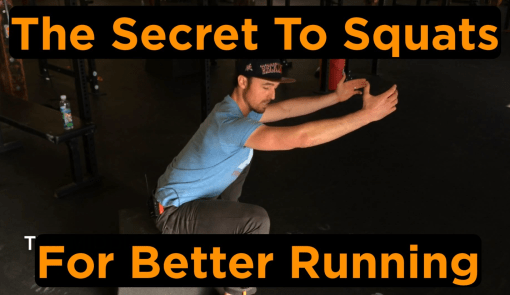

According to the Runkeeper.com blog Squats are a Runner’s Best Friend, “One of the biggest squat myths is that squats are bad for your knees. False! This myth comes from a few badly run studies in the 1960s that have since been disproved. More recent studies have instead shown that people who regularly squat have more stable knees.”
Squats provide important benefits to runners and walkers:
- Knee Stability
- Increased Leg Power
- Improved Body Awareness
- Injury Prevention
Additionally, “squatting effectively teaches runners how to be better runners by addressing and improving basic athletic skills. For example, squatting teaches runners how to load and engage their posterior chain, how to stabilize their hips, knees, and ankles, and how to move with good posture and maintain that good posture for longer periods of time.”
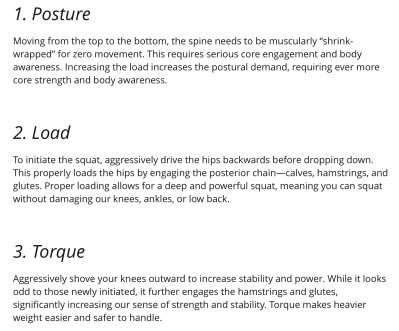
To squat effectively, we must address three basic skills:
1. Maintaining posture
2. Adding load
3. Adding torque
Focusing on developing our athletic skill with posture, load, and torque, a runner’s relationship with strength training can be changed forever. While we want stronger hamstrings, we cannot just do hamstring exercises and expect better running results. Why? Because the whole is greater than the sum of its muscular parts. We must strengthen the other areas around our hamstring to help support those muscles and take some of the load off that area. Squats are a great way to strength and support our hamstrings!
So even if you aren’t doing the extra squat challenge this month…today YOU SQUAT! 😉
Day 26 exercises: 3 sets of 15
****Click here for how to videos****
- Squats
- Side Lunges (3 sets of 15 for each leg)
- Wall Sit – :60 (3X)
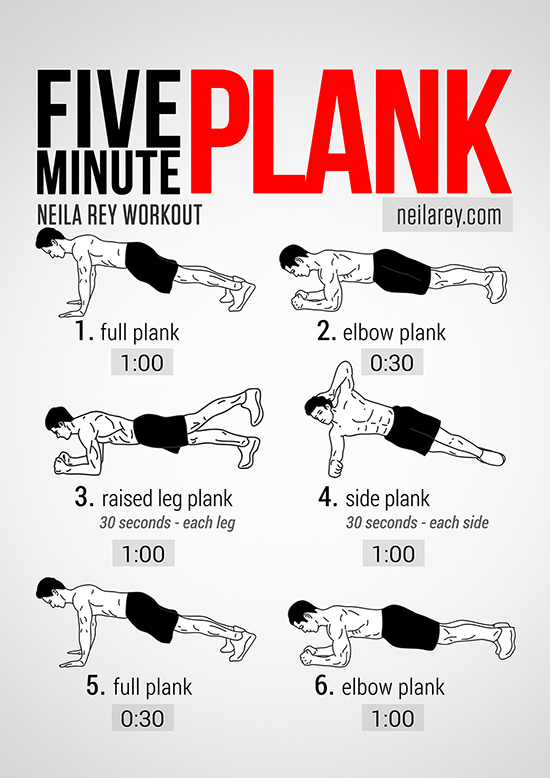
- Plank – :60 (3X)
Bonus: Squat Challenge (75 additional Squats)
Challenges: I know these are getting harder to fit in as the numbers go up but we are almost done! Keep pushing Crew don’t you dare give up!
- Burpees – 55
- Push Ups Beginner – 18
- Push Ups Advanced – 105
- Squats – 75
Remember Crew….we are building brutally strong legs this month! The month is almost over so hold on tight and keep up the great work! 🙂
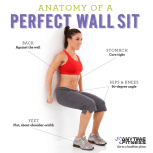 Most distance runners will tell you they’ve had a point on one (or many) of their runs where they hit “the wall.” The wall can be both an emotional and a physical barrier. You need mental strength to finish a marathon, but you also need toned muscles!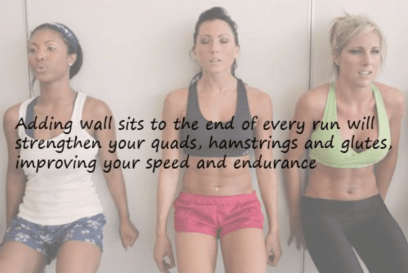


 Once you’ve mastered bodyweight squats, switching to single-leg squats (a.k.a. pistol squats) is a great, gear-free way to increase loads and build max strength for each leg. “Running is nothing more than pushing off one leg at a time while maintaining balance.”
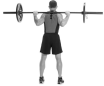 This move involves placing the barbell across the upper back, rather than on top of the shoulders, upping the demand placed on the glutes, says Jason Fitzgerald, a 2:39 marathoner, USA Track & Field-certified coach, and founder of Strength Running. That’s huge, as the glutes tend to be underdeveloped in runners, contributing significantly to lower-body injuries.
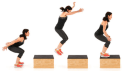 Adding an explosive, plyometric element to your squats strengthens your legs’ elastic properties and trains your muscles to generate more force in less time, Hamilton says. Those are major benefits to anyone regularly pounding the pavement.
 “I love this lift, which is executed just like a regular squat with a bar held above the head, because it’s less about strength and more about mobility, control, and balance—elements of general athleticism that are important for runners who tend to only run.” Fitzgerald says.
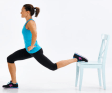 Another single-leg exercise, this one hones balance while also training the gluteus medius to a higher degree than many squat variations. For those commonly plagued by IT band and other knee issues, this is a must.
 “By holding the barbell across the front, rather than the back, of the shoulders, this is a more quad-dominant squat,” Fitzgerald says. This exercise presents a great opportunity for runners to train their quads eccentrically—or as they lengthen. Doing so will make running downhill feel easier.
 Speed Work: Have a plan to get your speed work in this week?
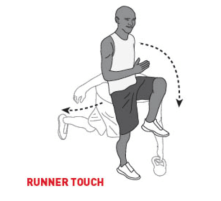

 In theory, running isn’t a two-legged activity. Of course, we have to use both legs, but it’s really a series of one-legged stances conjoined by the act of managing a controlled fall.

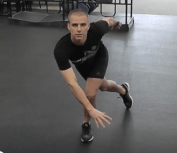 Bonus: #BalanceAndReach – Balance and Reach is an exercise brought to us a few months ago by our very ow Jennifer Moro-Ortiz. It’s a great exercise for hip stability and strength. If you’re doing it right…you’ll also feel it in your butt too. Use those glutes and hips to keep yourself balanced and to move your legs back and forth smoothly. Click
  a cool idea to find out where your 5K pace stands so you have a way to gage your pace for other speed work. If you raced a 5K or any distance yesterday or this past weekend…you’ve already done your speed work for the week….don’t add another “effort workout”.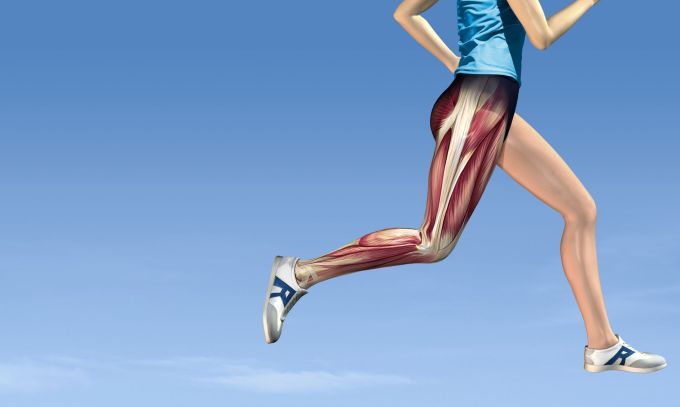
 Strong to the Core