
Long Runs On Tap!
The weekend is here and it’s time for long runs!
Before you X out of this page because you don’t think you need a long run, or you’re training for a short distance race so you figure your weekend run will be the same distance as all your other runs, or you’re not training for anything so you don’t need to make time to go long this weekend…KEEP READING!
No matter where you’re at in your training, the long run is one of the KEY workouts of the week…and most people don’t run far enough to find out they can go even farther.
It doesn’t matter if you just started running, or are setting out for 15-20 miles. Our long run is relative to where we are right now. If you’re a beginner and only run or walk a few miles a week, then your long run is 1-2 miles more than your average run during the week.
Our challenge calendar follows the majority, and most since people do their long run on the weekend, we take the weekend as our rest from strength training to go long. Others need to do their long run during the week because of working and/or family life so their schedule may be opposite…that’s ok. You can rearrange the days to fit your needs…but no matter how it works best for you….you still need a weekly long run.
Make it work for you. Whether you go long on Saturday or Sunday is your choice. Don’t skip your long run if you can’t do it on Saturday. Just switch Saturday and Sunday and do some yoga and stretching on Saturday so you are limber and ready to go. We need to create as much balance as we can with our fitness and home life so we can continue to run for a long time…and not annoy anyone ‘too much’ at home.
Back to the “why”. The long run helps you build an aerobic base that will train your body to utilize oxygen, preserve glycogen stores by using fat for fuel, and generally become more efficient.
How slow should you be running? I say “slow” instead of how “fast” should you be running because this run should be 1:30 per mile SLOWER than your normal weekday or shorter runs. So if you run a 10 minute mile, you should be averaging around 11:30 for your long run. If you run a 12 minute mile during shorter runs, you should be averaging about 13:30 per mile.
Our slower long runs train a more efficient fat burning body, and the benefits mean you recover faster, and can put in harder efforts during other parts of your training, rather than being consistently chronically fatigued.
For a lot of runners, running ‘easy’ doesn’t feel right (or hard enough), so they intuitively run at a ‘moderate’ pace, kidding themselves they’re running easy. Struggling to hold a conversation, a heavy sweat, and red face post run is a giveaway that you did not run easy!
Truth: At least 75% of runners – of all abilities – run too fast too often
The key to running further, and ultimately faster, is to slow down, especially for your long runs. Easy to say, but harder to do.
When you first start running, you’re likely to have one pace. As you get more experienced and your fitness improves, you will develop a wider range of paces. Your long run or easy pace may be 90 seconds – 2:00 slower than your “top end” pace.
Here are some tips to help you gauge where this “magical pace” should be:
- Run at a comfortable pace where you can chat easily, without gasping for breath. If you can hear yourself breathing, you’re going too fast. On a scale of 1-10 (with 10 being super hard) you’ll be around a 5. It should feel really comfortable and the sort of pace you keep going at that pace for hours.
- Forget about measuring your ‘pace’ and distance on your GPS watch at this stage. Focusing too much on your watch will only lead to you push on too fast, and undo all your good work.
- Learn to run to ‘feel’ rather than keeping to a pace. Don’t forget, that ‘feel’ should be easy. Walk up hills, keep it steady and don’t put any pressure on yourself other than to go a little further.
- Run with a friend (find one slower than you normally), have a nice chat, and check out the views. It might take a bit of time to get your head around it, but this is exactly the methodology that will take you to the next level.
Thinking about being out on the road for longer than you’re used to can be a little nerve racking, but if you slow down, take it easy, run with friends and chat along the way, the miles will fly by and you’ll find that second wind kicking in and carrying you much farther than you thought possible.
Our long easy runs are to be treasured. Use the time to catch up with friends, explore new routes and revel in the joy of going long. There’s nothing else like it!
Here’s what’s on tap for the weekend:
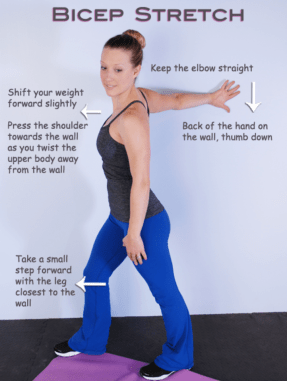
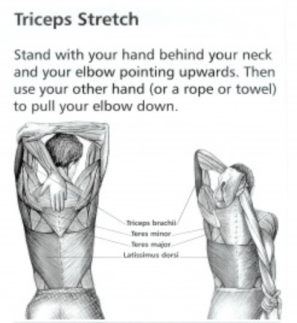
Day 3: Long Run + 7 Key Stretches for Runners + :60 Plank & :60 Wall Sit – Do the wall sit immediately after your run. Get it over with!
Stretching – We will talk more about the importance of stretching later (since this is already kinda long), but for now keep this in mind…“use stretching as prehab, rather than rehab.”
There are many benefits of stretching like improved performance, better range of motion, and joint stabilization but the key here is to AVOID INJURY! Often the runners who stretch are the ones who have already faced an injury. So if stretching is an important part of rehabilitation, why not do it before you get hurt and save the medical costs and down time.
There’s nothing more frustrating for a runner than to be sidelined with an injury so incorporating our 7 Key Stretches for Runners will pay off big time.
Day 4: Yoga for Runners: You have choices! – Take a look through these yoga routines and try one or even two. Yoga has so many benefits for runners…aside from helping us relax, strengthen and lengthen our muscles, it also gives us a little time to decompress and get our mind ready for another busy week!
Options –


 It looks hard on paper…and it’s not a walk in the park…but today is going to be fun and you CAN do it!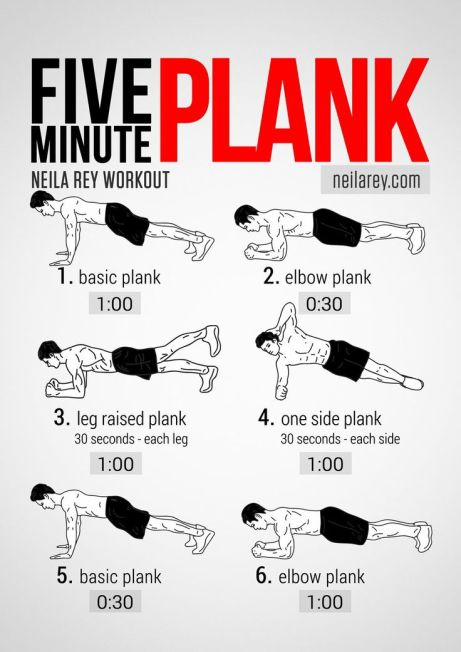


 Strong to the Core